Carpet Cleaning Fort Collins, CO for Restoring Beauty and Cleanliness
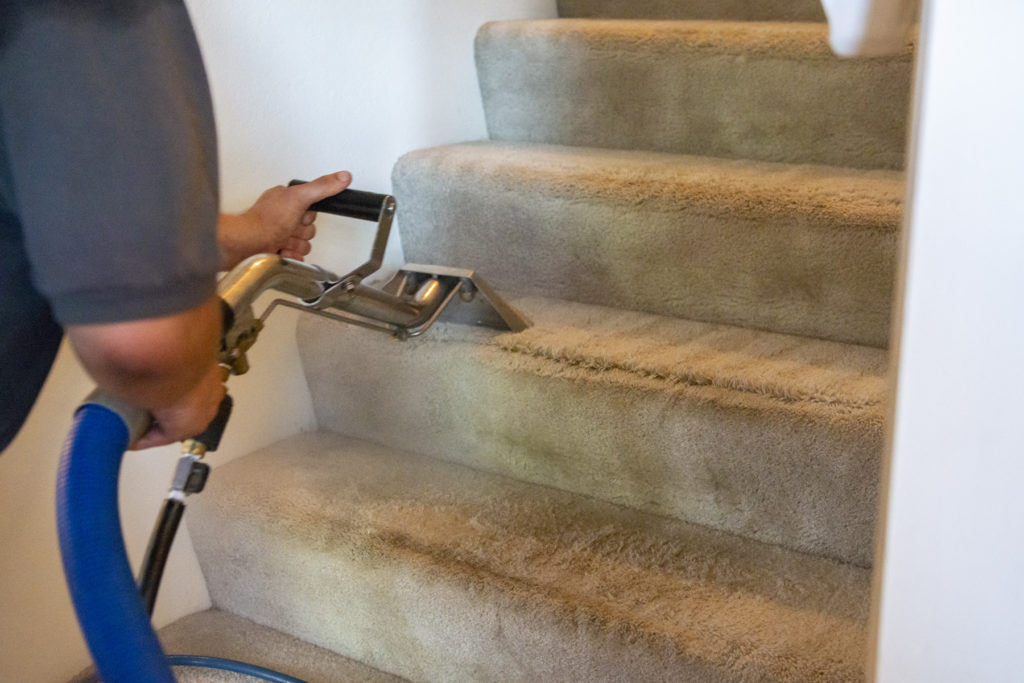

Carpet changes a room more than most people realize. It softens sound, warms up hard surfaces, protects subflooring, and makes a home feel finished. It also collects everything daily life leaves behind, from dust and pollen to spilled coffee, pet hair, trail dirt, and the fine grit that gets tracked in after a windy afternoon along the Front Range. In Fort Carpet Cleaning Fort Collins, CO Collins, where active households move between trails, parks, campus neighborhoods, and job sites, carpets tend to work hard. They also show wear faster than many homeowners expect.
That is why Carpet Cleaning Fort Collins, CO is not just a cosmetic service. It is part of maintaining a healthier indoor environment, protecting a sizable flooring investment, and keeping a home or business looking cared for. Freshly cleaned carpet brightens a space, but the bigger benefit often comes from what is removed beneath the surface, where ordinary vacuuming cannot reach.
Why carpets in Fort Collins take a beating
Fort Collins has a mix of conditions that are rough on carpet. Dry air and seasonal wind carry fine dust that settles deep into fibers. Snow and slush in colder months create moisture issues at entryways. Spring brings mud, pollen, and more foot traffic as people spend time outdoors again. Summer often means kids in and out of the house, open doors, and more traffic from guests. Add pets, rental turnover, or a busy office, and carpets can start looking tired long before their actual lifespan is up.
I have seen carpets that looked dull and flattened simply because they were loaded with embedded soil. Once professionally cleaned, the color came back, the pile lifted, and the room felt noticeably fresher. The carpet was not old, it was burdened. That distinction matters, because many people replace carpet too soon when what they really need is a thorough cleaning and honest assessment.
Another local factor is our lifestyle. Fort Collins residents are active. Hiking shoes, bike gear, dog paws, and sports bags all carry in fine particles that act like sandpaper in carpet fibers. Every step grinds those particles lower. Over time, traffic lanes darken, especially in hallways, living rooms, stairs, and around beds. The issue is not always staining. Often it is abrasion and compacted dirt that changes the way the carpet reflects light.
Clean carpet is about more than appearance
A clean carpet looks better, but appearance is only part of the story. Carpets act like large filters. They trap airborne dust, dander, pollen, and other particles that would otherwise stay in circulation. That can be helpful, right up until the carpet becomes overloaded. Once the fibers hold too much debris, regular movement can push particles back into the air.
This becomes more noticeable in homes with children, pets, or anyone sensitive to allergens. Even if no one has formal allergies, stale odors and heavy soil can affect how a room feels. A carpet that smells musty or looks gray around the edges is often signaling buildup that needs more than a vacuum and a can of spot remover.
There is also the issue of carpet longevity. Dirt is not inert. Sharp particles wear away at the twist and texture of the fibers. Oils from skin, cooking residue, and spills bind that dirt in place. If the carpet is cleaned at sensible intervals, often every 12 to 18 months in average homes and more often in high traffic spaces, it usually holds its appearance much longer. That can delay replacement by years, which matters when new carpet and installation costs keep climbing.
What professional cleaning actually removes
Many people picture carpet cleaning as a process that simply lifts visible stains. In practice, a good service does much more. Professional equipment reaches far below the surface, flushing out dry soil, sticky residues, tracked-in contaminants, and the compounds that cause odor. It can also recover a surprising amount of moisture, which is critical for preventing long dry times and that damp smell no homeowner wants.
The difference between consumer rental machines and professional equipment is usually obvious after the job is done. Rental machines may remove some discoloration, but they often leave too much water behind and struggle with deeper extraction. Professional-grade systems, when used correctly, clean more thoroughly and dry more efficiently. Technique matters as much as machinery. Overwetting, rushing pre-treatment, or using too much detergent can create problems that show up later as wicking, browning, or rapid resoiling.
For homes with pets, the challenge runs deeper than visible spots. Urine can move into the backing, pad, and even subfloor in severe cases. Surface cleaning may reduce the stain but not the odor source. That is where trained judgment comes in. Not every issue has the same fix. Some carpets respond well to targeted treatment and extraction. Others need pad replacement in specific areas to truly solve the problem.
Common signs your carpet needs attention
Most homeowners wait until the carpet looks obviously dirty, but there are earlier signs worth noticing.
- Traffic lanes remain dark even after vacuuming.
- Rooms hold a stale, dusty, or sour smell.
- Spots keep reappearing after you blot them.
- The carpet feels sticky, crunchy, or matted in places.
- Allergy symptoms seem worse indoors than usual.
If any of those sound familiar, routine maintenance has probably shifted into restorative cleaning territory. That does not always mean the carpet is in bad shape. It means dirt, residue, or moisture has built up enough to affect performance and appearance.
The methods that matter most
There is no single best method for every carpet. A professional should match the process to the fiber type, level of soiling, traffic pattern, and drying conditions in the home. In Fort Collins, where the climate is generally dry but winters and shoulder seasons can complicate drying, method selection is worth discussing before work begins.
Hot water extraction remains the standard for deep cleaning in many homes. Despite the common term "steam cleaning," the process usually relies on hot water and cleaning agents, followed by strong extraction. When done well, it removes deep soil, rinses out residues, and leaves the carpet clean without being overwet. For heavily used family rooms, rental properties, and pet-affected areas, it is often the right approach.
Low-moisture methods also have their place. They can be useful in offices, commercial settings, or homes where very fast dry times are essential. Encapsulation and other low-moisture systems can improve appearance and control interim soil, especially in glued-down commercial carpet tiles. They are not always the best choice for deep restorative cleaning, but they can be highly practical when used appropriately.
Bonnet cleaning, shampooing, and other surface-oriented methods can freshen carpet visually, though they vary widely in how much soil they actually remove. The concern is not whether a method is fashionable. The concern is whether it suits the fiber and the condition of the carpet. A reputable cleaner should be able to explain why they recommend a certain process, and they should not pretend one method solves every problem.
Stains are personal, and each one behaves differently
One reason homeowners get frustrated is that all stains seem to be treated the same by consumer products. In reality, coffee, red wine, grease, ink, mud, pet accidents, and rust each behave differently. Some are dye-based. Some are protein-based. Some are oily. Some have already bonded to the fiber or changed the color permanently.
That is why do-it-yourself spot treatment often produces mixed results. People scrub too hard, use the wrong chemistry, or add so much water that the stain spreads into the backing. A cleaner may remove the visible mark at the surface, only to have it wick back as the carpet dries because residue or contamination remains below.
An experienced technician usually starts by identifying the stain category, testing the carpet for colorfastness, and choosing treatment based on fiber type. Nylon, polyester, olefin, and wool do not all respond the same way. Wool, for instance, demands a gentler hand and more controlled chemistry than many synthetic carpets. What works on one beige bedroom carpet may be a terrible choice for another.
There is also a point where honesty matters. Not every stain is removable. Bleach spots, dye transfer, and severe pet damage sometimes leave permanent marks. A trustworthy provider will explain the difference between cleaning, stain removal, and repair, rather than promising miracle results.
Odor control requires more than fragrance
One of the quickest ways to tell Carpet Cleaning Fort Collins, CO whether carpet cleaning was done properly is what happens the next day. If the room smells simply perfumed for a few hours and then reverts to the original odor, the source was never fully treated. That is common in homes with pets, smokers, previous water incidents, or years of trapped organic debris.
Real odor control starts with identifying the source. Surface deodorizer can help with mild general mustiness, but it is not a cure for contamination deep in the carpet system. Pet accidents are the classic example. If odor has reached the pad, deodorizing the top fibers is a temporary mask at best. Enzyme-based products, subsurface extraction, and isolated pad treatment can all help, but there are limits when damage is extensive.
I have walked into homes where owners believed they needed all new carpet because of odor, only to find that targeted treatment and a strong deep cleaning resolved most of the issue. I have also seen the opposite, where repeated surface cleanings had wasted money because the real problem was below the backing. Good service means knowing which situation you are dealing with early.
What homeowners should do before the appointment
Preparation does not need to be complicated, but a little planning makes the cleaning more effective and protects your schedule.
- Vacuum thoroughly if the cleaner requests it, especially in pet-heavy homes.
- Move fragile items, cords, floor plants, and small furniture beforehand.
- Note any problem spots, odors, or past spills you want evaluated.
- Keep pets and children clear of work areas during and after cleaning.
- Ask about dry times so you can plan foot traffic and furniture placement.
That last point matters. Dry time varies based on humidity, airflow, carpet thickness, cleaning method, and how heavily soiled the carpet was. In Fort Collins, many carpets dry relatively well because of the dry climate, but that is not guaranteed. Basement rooms, winter cleanings, and dense padding can all extend the timeline.
Residential carpet cleaning in real life
Every home tells a different story. A downtown condo with no pets and limited shoes indoors may need little more than periodic maintenance cleaning. A family home near parks and schools might need frequent attention in hallways and the main living area. A rental property near campus often presents a different level of wear altogether, with food spills, unknown traffic, and inconsistent vacuuming habits.
The best residential carpet cleaning takes that context into account. A technician should inspect traffic lanes, discuss expectations, and point out areas where wear is permanent rather than dirty. That conversation helps avoid disappointment. Cleaning can remove soil and many stains, but it cannot reverse fiber distortion from years of heavy use.
Homeowners are often surprised by how much cleaner rooms feel after service. The air smells lighter. The carpet underfoot feels softer. The color looks more even from wall to wall. Sometimes the biggest win is not visual at all. It is walking barefoot without feeling grit in the pile near the sofa or bed.
Commercial spaces have their own challenges
Carpet Cleaning Fort Collins, CO also matters for offices, clinics, retail spaces, and property managers. Commercial carpeting takes a more concentrated beating in a shorter period. Entry mats help, but they only catch part of the problem. Fine grit, moisture, and oils from shoes build up quickly, especially near doors, reception desks, break areas, and hallways.
In business settings, appearance influences first impressions. Customers notice dingy traffic lanes and lingering odors. Staff notice them too. A neglected carpet makes an otherwise professional workplace look tired. Yet commercial cleaning has to balance appearance with downtime. That often means scheduling after hours, using low-moisture systems in some zones, and reserving restorative extraction for deeper periodic maintenance.
Property managers face another layer of decision-making. They need to know when carpet can be restored cost-effectively and when replacement is the smarter call. Honest assessment is valuable here. If a cleaner tries to save every carpet no matter its condition, that is not expertise, it is salesmanship. Some carpets clean up well. Others have wear patterns, filtration lines, delamination, or odor saturation that make replacement the better investment.
How often should carpets be professionally cleaned?
There is no universal schedule, but patterns do emerge. For many households, annual professional cleaning is a reasonable baseline. Homes with kids, multiple pets, frequent guests, or heavy indoor-outdoor activity often do better on a six to twelve month cycle. Low-traffic guest rooms can go longer. Stairs, hallways, and family rooms usually need more attention than formal living spaces.
Commercial spaces often need scheduled maintenance quarterly or even monthly in high-use zones, depending on traffic. Waiting until carpet looks bad is expensive because restorative cleaning is harder than maintenance cleaning. Dirt that sits for months becomes embedded and abrasive. Regular service spreads out wear and keeps the overall flooring package in better shape.
Season matters too. Many Fort Collins homeowners prefer spring and fall cleanings. Spring addresses winter buildup, while fall resets the home before holiday gatherings and colder weather. Either can work well, though urgent issues like spills, pet accidents, or move-out turnover should be addressed immediately rather than folded into a seasonal plan.
Choosing a cleaner without getting oversold
The market is crowded, and not every service operates at the same standard. Price matters, but rock-bottom pricing often leads to rushed work, surprise upsells, or incomplete extraction. A fair quote should reflect inspection time, proper pre-treatment, stain work where appropriate, and enough labor to do the job carefully.
Look for a provider who asks good questions. They should want to know about fiber type if known, pet issues, past spills, room sizes, and your concerns about drying or odor. Vague promises are a bad sign. So are guarantees that every stain will disappear. Carpet cleaning involves variables, and professionals who know the trade talk about probability, not fantasy.
Clear communication counts as much as equipment. You want to know whether furniture will be moved, whether protectant is optional, how long rooms should stay off-limits, and what you can expect if a spot returns from deep in the backing. The best experiences usually come from companies that treat cleaning as both technical work and customer service.
Protecting your carpet between cleanings
Maintenance between professional visits has a direct effect on results. Frequent vacuuming, especially in entryways and main traffic routes, removes abrasive soil before it settles deeper. Door mats inside and outside reduce what gets tracked in. Prompt blotting of spills helps, provided you avoid aggressive scrubbing and random household chemicals.
Shoes-off households generally see slower wear, especially in light-colored carpet. Pet routines matter too. Keeping paws clean after wet or muddy walks makes a noticeable difference. Rearranging furniture occasionally can also help distribute traffic so one path does not get compacted year after year.
One practical note from experience: resist the temptation to overuse store-bought spot cleaners. Many leave sticky residues that attract more soil. A spot may look better for a day and worse two weeks later. When in doubt, blot with clean white towels, use minimal moisture, and call a professional for anything substantial.
Restoring the feel of the room
When carpet is dirty, people often describe the whole room as tired. They may think they need new furniture, fresh paint, or better lighting. Sometimes they do. But often the biggest visual reset comes from the floor. Once the carpet is cleaned, the room regains contrast, the fibers stand up better, and everything else around it looks more intentional.
That is the real value of Carpet Cleaning Fort Collins, CO. It restores more than color. It brings back comfort, hygiene, and a sense that the space is being looked after. In homes, that means a cleaner place to live. In businesses, it supports professionalism and everyday function. And in both cases, it extends the life of something costly enough that it deserves proper care.
A well-cleaned carpet should not just smell fresh for an afternoon or look brighter until the light changes. It should feel genuinely renewed, with less grit underfoot, fewer lingering odors, and a cleaner, calmer atmosphere throughout the space. That kind of result does not come from shortcuts. It comes from correct methods, experienced judgment, and a realistic understanding of what carpet needs in a place like Fort Collins.
TLC Carpet & Air Duct Cleaning
921 E Prospect Rd, Suite C
Fort Collins, CO 80525
(970) 352-8176
FAQ About Carpet Cleaning Fort Collins, CO
What is the best time of year to clean carpets in Fort Collins, CO?
Choose a day when you can give the carpet time to dry and keep foot traffic low. Ventilation and indoor humidity can matter more than the season.
How long will my carpet take to dry after cleaning?
Drying time varies with the carpet, cleaning method, humidity, and airflow. Ask the technician for an estimate and when to move furniture back.
How do I prepare my home for carpet cleaning?
Pick up small items, clear a path for equipment, and point out stains or delicate fibers. Ask the cleaner which furniture they can move and what needs to be moved before the visit.